Let’s be honest, buying a bicycle today feels harder than it should. You walk into a store or scroll online, and you’re hit with road bikes, hybrids, e-bikes, fat tires, carbon the list goes on. Add in sizing charts that feel like algebra, and suddenly the excitement fades into frustration.
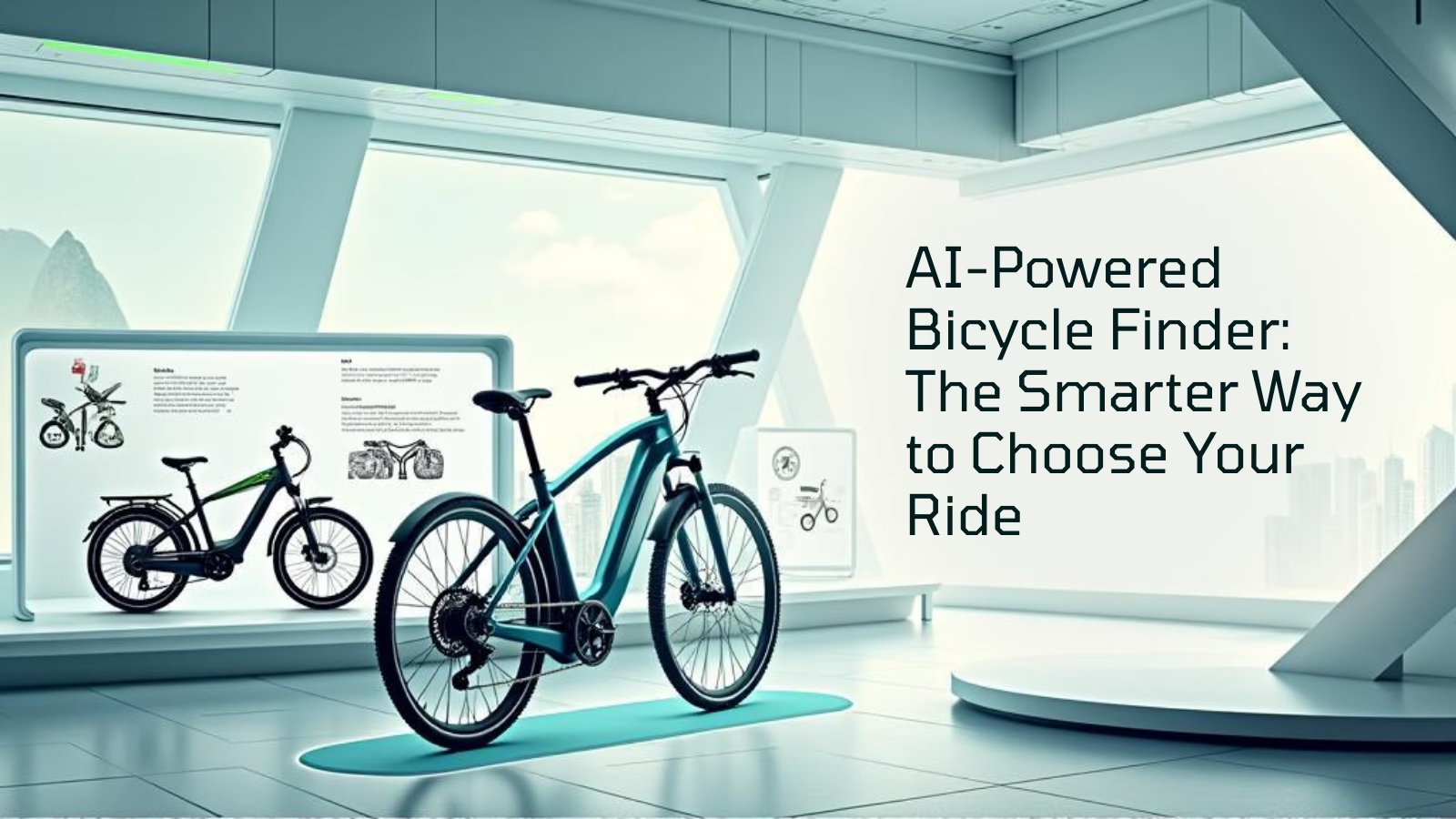
This is where the bicycle finder comes in. Think of it as your digital guide powered by AI, but designed to feel like you’re chatting with a helpful friend who actually understands what you need. It doesn’t just throw specs at you. Instead, it listens, interprets, and narrows the choices until you land on the perfect match.
Let’s explore how this new wave of bicycle finders is transforming the shopping experience—for riders and for the businesses selling to them.
1. Smarter Search That Understands What You Really Mean
Picture this: You’re typing “affordable green bike for city commuting” into a retailer’s search bar. In the past, you’d get random results, maybe a pricey mountain bike, a kids’ cycle painted green. Useful? Not really.
However, an AI-powered bicycle finder goes deeper. It understands that “affordable” ties to budget, “green” is a color filter, and “commuting” signals a lightweight, durable design built for daily use. In seconds, it gives you a handful of bikes that actually fit your life not a haystack of mismatched results.
Moreover, this matters commercially. The faster a customer finds the right product, the less likely they are to bounce away in frustration. And when they feel understood, they’re far more likely to buy and come back again.
2. Guidance That Feels Personal
Let’s be real most people don’t know their exact frame size or the difference between a 28mm and 32mm tire. They just want a bike that feels comfortable and safe.
This is why bicycle finders powered by AI focus on fit and personal guidance. Some tools let you upload a short video so the system can analyze your posture and suggest a perfect frame size. Others use a simple chatbot that asks you direct, human questions:
- How tall are you?
- Do you ride mostly in the city or off-road?
- What’s your budget?
On the flip side, this isn’t just about helping customers—it’s gold for retailers. When shoppers feel confident in their choice, they’re less likely to return the bike. Fewer returns mean higher margins, smoother logistics, and happier customers who tell their friends.
Furthermore, the commercial intent is clear: the bicycle finder reduces hesitation. It acts like that friendly salesperson in a shop who listens first, then points you to the exact model you didn’t even know you needed.
3. Visual Discovery: Because Sometimes Words Aren’t Enough
We’ve all been there you see someone riding a gorgeous bike down the street or scrolling through Instagram, but you have no idea how to describe it. Was it a commuter? A hybrid? Something else?
Here’s where visual discovery inside a bicycle finder makes magic happen. Snap a photo, upload it, and AI instantly pulls up models that look almost identical. Combine that with a note like “daily office rides” and suddenly the system shows you bikes that not only match the look but also the function.
In fact, this is where shopping feels less like a transaction and more like an experience. Customers feel empowered they’re not wrestling with jargon, they’re simply exploring options in a natural way. And for businesses, it means shoppers stick around longer, which often leads to bigger baskets and stronger loyalty.
Why This Matters for Riders and Retailers
At its core, the bicycle finder is about confidence. Riders want to feel certain they’re picking the right bike without wasting weeks researching. Retailers, on the other hand, want to guide customers quickly, reduce returns, and boost conversions.
Moreover, this isn’t just about bicycles. It’s part of a bigger shift in retail, where personalization is no longer a bonus it’s expected. Whether it’s clothes, electronics, or bikes, shoppers want an experience that feels tailored, not generic. Businesses that adapt will thrive. Those that don’t risk being left behind.
A Quick Story
Take Aditi, a young professional in Delhi. She wanted a bike to commute to work but didn’t know much about specs. A traditional website search gave her dozens of random results. However, when she tried a bicycle finder, the experience was different. It asked her about budget, terrain, and comfort. Within minutes, she had two strong recommendations both within budget and perfectly sized. She made the purchase the same day.
For her, it was about peace of mind. For the retailer, it was a seamless sale with zero follow-up headaches. That’s the win-win AI delivers.
Conclusion: The Future Belongs to Smart Finders
The bicycle finder is not just another search tool it’s a bridge between overwhelmed shoppers and retailers eager to close sales. By blending conversational search, personalized fit, and visual discovery, it creates a buying journey that feels natural and even enjoyable.
Furthermore, the commercial payoff is undeniable. When customers find the right bike quickly and confidently, they buy faster, return less, and stick with the brand.
And for the riders? It finally means cycling back to what matters most—the joy of the ride, without the stress of the search.
(Authoritative Resources)
- Trek Bikes – Official Website (Brand authority, trusted for buyers)
- REI Co-op Bicycle Buying Guide (Trusted retail + educational source)