Introduction
Digital marketing is no longer about who spends the most money, it’s about who spends it the smartest. The challenge for most brands is clear: campaigns are getting more expensive, customer attention is shrinking, and the competition is tougher than ever. That’s where AI-powered marketing analytics tools step in.
Instead of just showing you what already happened, these tools help predict outcomes, uncover hidden audience patterns, and even adjust campaigns while they’re running. The result? Smarter decisions, less wasted spend, and a better return on investment (ROI).
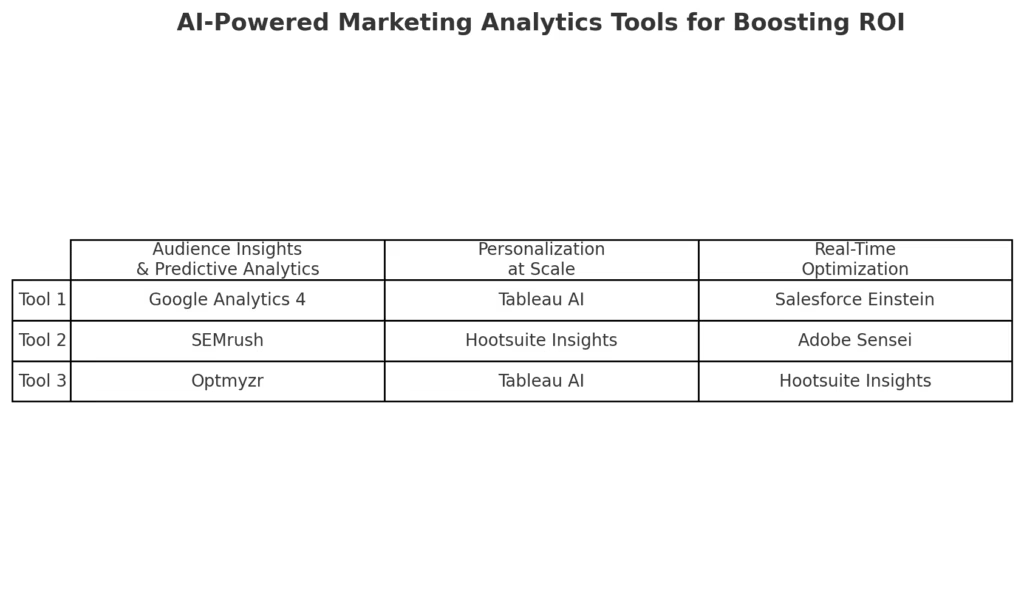
In this article, we’ll break things down into three areas where AI is already making a difference:
- Audience insights and predictive analytics
- Personalization that actually works at scale
- Real-time optimization for faster growth
Each section will also highlight a few trusted tools you can explore today.
1. Audience Insights and Predictive Analytics
Let’s start with one of the biggest struggles in marketing: knowing what’s going to work before you hit publish. Traditional reports are helpful, but they’re always backward-looking. AI analytics change the game by helping marketers see where things are headed.
Take Google Analytics 4. Beyond the usual traffic reports, GA4 now includes predictive metrics — like which visitors are most likely to buy in the next week. That insight means you can adjust ad targeting toward the right people instead of wasting money on broad audiences.
Another example is Tableau AI. It turns large, messy datasets into clear visuals and predictive dashboards. Instead of digging through endless spreadsheets, you can see right away which campaigns are driving results and where to invest next.
For brands using Salesforce, Einstein AI adds another layer by scoring leads based on intent. It doesn’t just show which leads are warm it suggests what to do next to turn them into customers.
As HubSpot points out, predictive analytics can improve efficiency by 40% or more. Imagine cutting wasted ad spend almost in half simply by trusting smarter insights. That’s the kind of shift AI makes possible.
2. Personalization That Works at Scale
Every marketer talks about personalization, but very few actually pull it off. Why? Because doing it manually is nearly impossible once you’re reaching thousands of people. AI solves that by tailoring messages, recommendations, and content in ways that feel personal — without needing a massive team behind it.
For example, SEMrush uses AI to uncover what your audience is searching for, what competitors are ranking on, and where the gaps are. Instead of guessing what people want to read or click, you can create content that speaks directly to their needs.
On the social side, Hootsuite Insights tracks brand mentions, hashtags, and even the mood of your audience. If sentiment drops around a campaign, you’ll know instantly and can adjust your tone before it does real damage.
And then there’s Adobe Sensei. This one is a powerhouse for e-commerce and content-driven brands. It looks at user behavior and suggests products or content in real time — just like Netflix recommending your next show, but for your brand’s products.
A McKinsey study found that brands that get personalization right can boost revenue by 10–15%. Neil Patel often highlights this too: personalization isn’t just about quick wins; it’s about building loyalty that keeps customers coming back.
3. Real-Time Optimization for Faster Growth
Even the best campaign strategy can flop if you wait too long to act. Traditionally, marketers had to check reports weeks later to know what worked and what didn’t. By then, the budget was gone. AI flips that model by offering real-time optimization.
Take Optmyzr, for example. It automates ad bid adjustments and budget allocation in real time. Instead of logging into Google Ads every day to tweak campaigns, Optmyzr does it for you — making sure every dollar works harder.
Tableau AI also shines here. By connecting directly to live campaign data, it shows what’s happening across platforms at that exact moment. This kind of instant feedback helps teams pivot mid-campaign instead of waiting until the end.
Hootsuite Insights, which we mentioned earlier, is also crucial here. Beyond social listening, it gives you live dashboards to monitor engagement and reach. If a hashtag starts trending or a campaign begins losing traction, you’ll know right away.
As Forbes reports, businesses that adopt real-time AI dashboards grow faster simply because they make decisions quicker. In a market that changes daily, speed is everything.
Conclusion
Boosting ROI isn’t about throwing more money at ads. It’s about using AI-powered marketing analytics tools to understand your audience, personalize their journey, and adjust campaigns on the fly.
If you’re not already testing tools like Google Analytics 4, SEMrush, Salesforce Einstein, Adobe Sensei, Hootsuite Insights, Tableau AI, and Optmyzr, now’s the time. The sooner you start, the faster you’ll see results — and the further ahead you’ll be when your competitors finally catch on.
Marketing isn’t getting easier, but with the right AI tools, it can definitely get smarter.
Pingback: The Quiet Revolution of Micro SaaS Startups - coreguideai
Pingback: AI Tools for Freelancers: Boost Your Income in 2025 - coreguideai