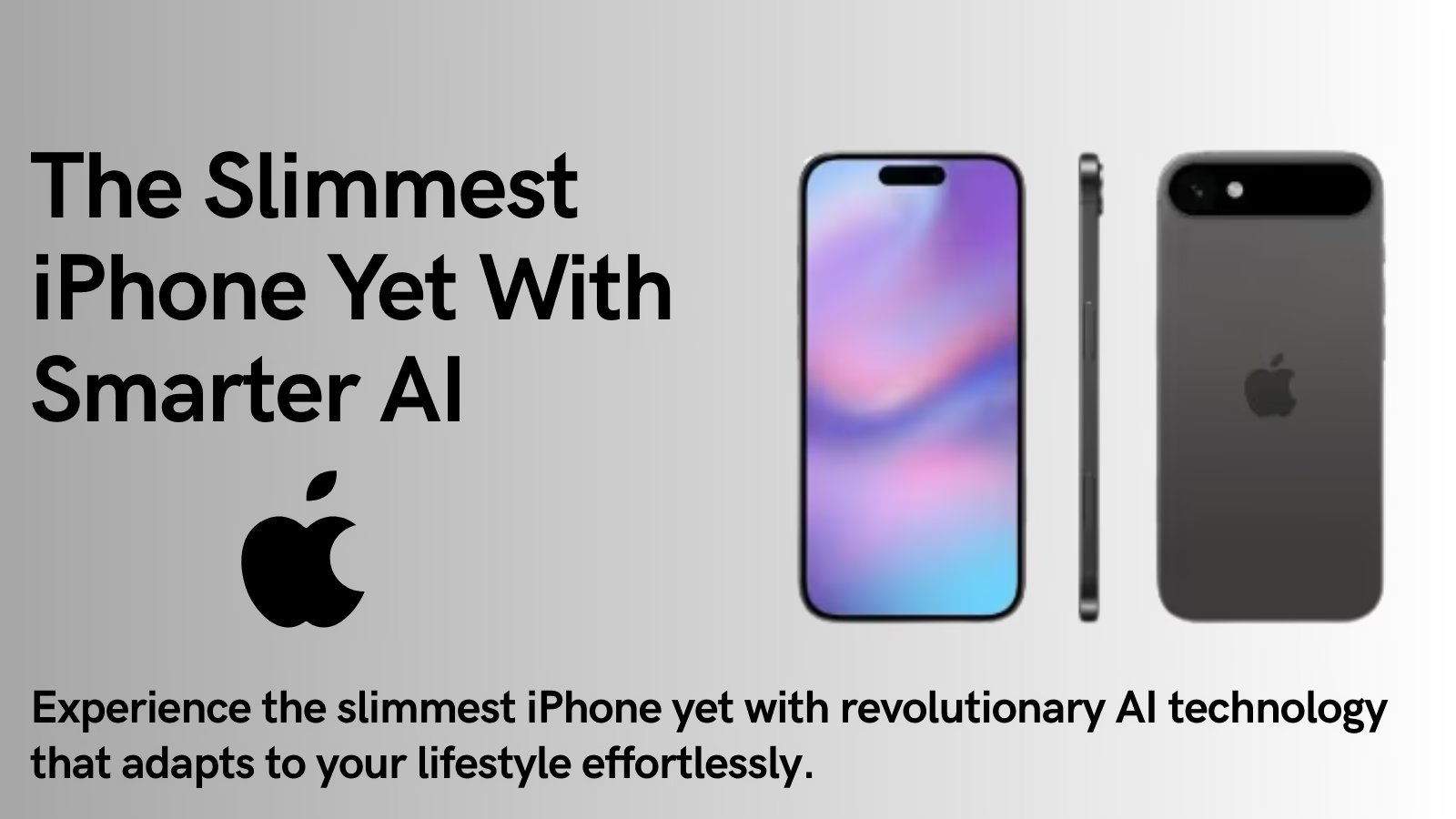
Every year, Apple manages to make the iPhone feel new again, but the iPhone 17, arriving in September 2025, feels like a bigger leap. It’s not just thinner or faster; it’s about making the iPhone feel more intelligent and more personal. This isn’t just another upgrade, it’s Apple showing us what the future of smartphones could look like.
A New Look That Turns Heads
Apple’s design philosophy has always been about simplicity and elegance. With the iPhone 17, that vision is going even further. The star of the lineup is the new iPhone 17 Air, a phone designed to be remarkably slim some leaks suggest it could be just 5.5mm thin. That would make it slimmer than the iPhone 6, which was once known for its “thin” profile.
Why does this matter? Because people today carry their phones everywhere—pockets, small bags, even tucked inside gym gear. A thinner and lighter iPhone means less bulk without compromising on strength. That’s why Apple is using titanium frames again, the same material it brought to the iPhone 15 Pro. Titanium keeps the phone sturdy without weighing it down.
The Air is also rumored to sport a 6.6-inch OLED display, giving it a large screen without feeling heavy in the hand. It’s the kind of device that could appeal to those who want something premium but easy to carry.
Apple is also simplifying the lineup. The “Plus” model is expected to disappear, leaving four clear choices: the standard iPhone 17, the slim Air, and the high-end Pro and Pro Max. The Pro models, of course, are getting their own upgrades: slimmer bezels, a refined glass-and-metal design, and a reshaped camera bump that feels more modern than the tall vertical stacks we’ve seen for years.
If you’re someone who remembers the excitement of holding an iPhone 4 or the first iPhone X for the first time, this feels like one of those design moments again.
(See: MacRumors iPhone 17 roundup)
Power That Matches the Design
Design alone doesn’t make a great iPhone. The real magic happens inside. The iPhone 17 Pro models are expected to run on Apple’s new A19 Pro chip, paired with 12GB of RAM. For comparison, the iPhone 14 Pro shipped with 6GB. That doubling of memory means faster multitasking, smoother AI features, and more headroom for demanding apps.
The standard iPhone 17 should get the A19 chip (non-Pro), while the Air might have a slightly tuned version designed to balance performance and efficiency.
On the connectivity front, Wi-Fi 7 support could arrive on at least one of the models, possibly starting with the Air. That means faster and more stable wireless performance for people who stream 4K content, game on cloud platforms, or transfer large files between devices.
(See: 9to5Mac’s iPhone 17 feature list)
Cameras: Triple 48MP and 8K
If there’s one area where Apple can’t afford to hold back, it’s the camera. The iPhone 17 Pro Max could bring three 48-megapixel lenses: wide, ultrawide, and telephoto. That’s a major change from the current mix of 48MP and 12MP sensors.
For photographers, this means more detail in landscapes, sharper portraits, and better low-light shots. For video creators, there’s an even bigger deal: 8K recording. That puts the iPhone on par with professional cameras used by filmmakers.
The front camera isn’t left out either. Apple may boost it to 24MP, making FaceTime calls and selfies crisp even on large screens.
For those who don’t need all that, the iPhone 17 Air may go with a simpler single 48MP camera on the back. Think of it as Apple saying: “You still get great photos, without needing three lenses sticking out of your phone.”
(See: TechRadar on iPhone 17 Pro Max)
iOS 26: Where AI Really Shows Up
A new iPhone launch always means a new version of iOS, and this year we’ll get iOS 26. On the surface, Apple is bringing a new visual style called Liquid Glass, which feels more fluid and modern. But the real story is in the AI upgrades.
One standout is AI-driven call screening. Imagine getting a call from an unknown number. Instead of answering blindly, your iPhone will ask the caller to state their name and reason for calling. It then transcribes that message on your screen, letting you choose whether to pick up. That’s a big step in fighting spam and scam calls.
Siri is also in for a serious upgrade. For years, Siri has felt behind Google Assistant and Alexa. With the iPhone 17, Apple wants to change that. The new Siri could let you control apps entirely by voice—editing a photo, sending a message, or even booking a ride—all without touching the screen.
Apple is also exploring a deeper partnership with Google’s Gemini AI, which could give Siri access to powerful generative AI tools. It’s not confirmed, but the fact that Apple is even in talks shows how serious it is about making Siri truly competitive.
(See: Business Insider on iOS 26 features, Times of India on Apple-Google AI talks)
Apple’s Bigger AI Vision
Apple isn’t just adding AI features here and there. It’s building what it calls Apple Intelligence—a system that blends on-device AI with cloud-based intelligence. That means simple tasks, like generating text or identifying objects in photos, can happen instantly on your phone for privacy. But bigger jobs, like advanced image editing or creative tools, can tap into Apple’s servers for extra power.
The beauty of this approach is balance: speed and privacy when you want it, raw power when you need it. Developers will also be able to plug into this system, which means third-party apps can feel as smart as Apple’s own.
Why iPhone 17 Matters
For everyday users, here’s what all this means:
- Thinner, lighter phones that don’t sacrifice durability.
- Faster performance for gaming, editing, and multitasking.
- Cameras that rival pro gear, with 48MP sensors across the board.
- AI that feels useful, not gimmicky—like screening unwanted calls or handling apps by voice.
- A smarter Siri, ready to finally live up to its potential.
The iPhone 17 feels like more than an incremental step. It’s Apple staking its claim in the AI race while reminding us it still leads in design and user experience.
Should You Upgrade to the iPhone 17?
If you’re still holding on to an iPhone 13 or 14, the iPhone 17 could be the jump you’ve been waiting for. The thinner design makes it feel brand new, the performance boost will keep it future-proof for years, and the AI tools could genuinely save time in daily life.
For photographers and video creators, the Pro Max model with its triple 48MP setup and 8K recording will be a huge draw. If you just want something light and stylish, the iPhone 17 Air may be the sweet spot. And for everyone else, the standard iPhone 17 will deliver Apple’s best balance of features without breaking the bank.
As always, the decision comes down to what you need. But with Apple leaning hard into AI and design this year, the iPhone 17 feels like a meaningful leap rather than a small refresh.